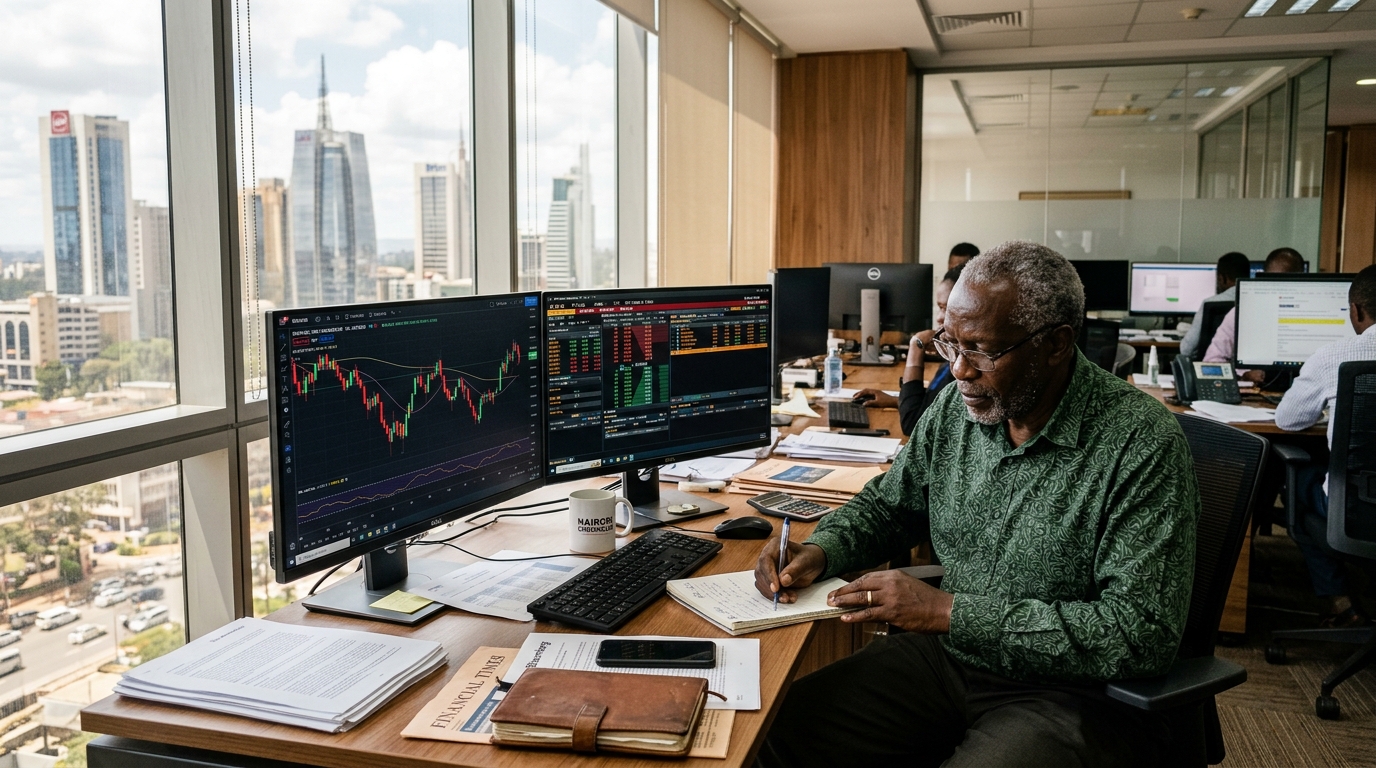
LiteFinance is not regulated by the Capital Markets Authority (CMA) of Kenya. When a trader in Nairobi, Mombasa, or Kisumu opens a LiteFinance profile, that account is never registered with an East African custodian.
Across Europe, Liteforex (Europe) Ltd holds a legitimate Cyprus Securities and Exchange Commission (CySEC) license (#093/08) under MiFID II rules. However, EU licensing applies strictly to European Economic Area residents.
International and Kenyan clients onboard either through LiteFinance Investment Limited, licensed as an Investment Dealer by the Financial Services Commission (FSC) of Mauritius (License GB20025921), or through LiteFinance Global LLC, an unregulated St. Vincent and the Grenadines (SVG) entity (Reg. 931 LLC 2021).
"Choosing an offshore broker for 1:1000 leverage trades away local CMA recourse. Before depositing via M-Pesa, verify whether your client agreement sits under Mauritius FSC oversight or unregulated SVG registration."
Why does CMA oversight matter so urgently in Kenya? According to the Capital Markets Authority (CMA) Annual Supervision Report covering licensed Kenyan online forex brokers, 77.58% of active retail accounts lost money, posting gross losses of KSh 7.12 billion against KSh 1.25 billion in client profits-roughly KSh 5.70 lost for every shilling won across 152,110 accounts.
Those Kenyan figures echo the empirical findings behind the European Securities and Markets Authority (ESMA) and UK Financial Conduct Authority (FCA) product intervention studies, which demonstrated that retail leverage caps of 30:1 sharply curb catastrophic account wipeouts. While CMA Kenya caps local brokers at 1:400 and enforces local dispute resolution, LiteFinance offers up to 1:1000 offshore-a double-edged tool that amplifies slippage risk during volatile macro releases.